Kantor w Cardiff ………. 137
Streszczenie
KANTOR IN CARDIFF
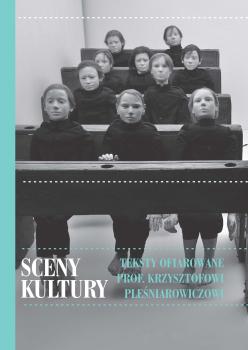
This article reflects on the significance of Tadeusz Kantor’s and the Cricot 2 company’s visit to Cardiff in 1976 and its impact on the perception of experimental theater. The author analyzes the experience of “The Dead Class” as a transformative aesthetic and existential event that challenges conventional understandings of theater, memory, and representation. Particular attention is given to the materiality of the stage, the role of objects, and their relationship with the performer’s body, emphasizing their agency and importance in shaping theatrical experience. Gough also situates the performance within its historical and institutional context, highlighting its uniqueness within the British theatrical landscape of the 1970s. In the later part of the text, he develops a theoretical reflection on the status of the object, drawing on philosophical concepts and performative practices. The author proposes a shift in perspective from asking “what is an object?” to “where and how does it function in relation to the subject,” stressing its performative presence. Overall, the text serves both as a testimony of a theatrical experience and as an in-depth analysis of the relationship between memory, materiality, and performance.